Air Jordan Retro Best Price Michael Jordan Legacy
- asfaranjum19@gmail.com
- May 19, 2026
- blog
- 0 Comments
Air Jordan Resale Market: Expert Tips for Buying and Selling
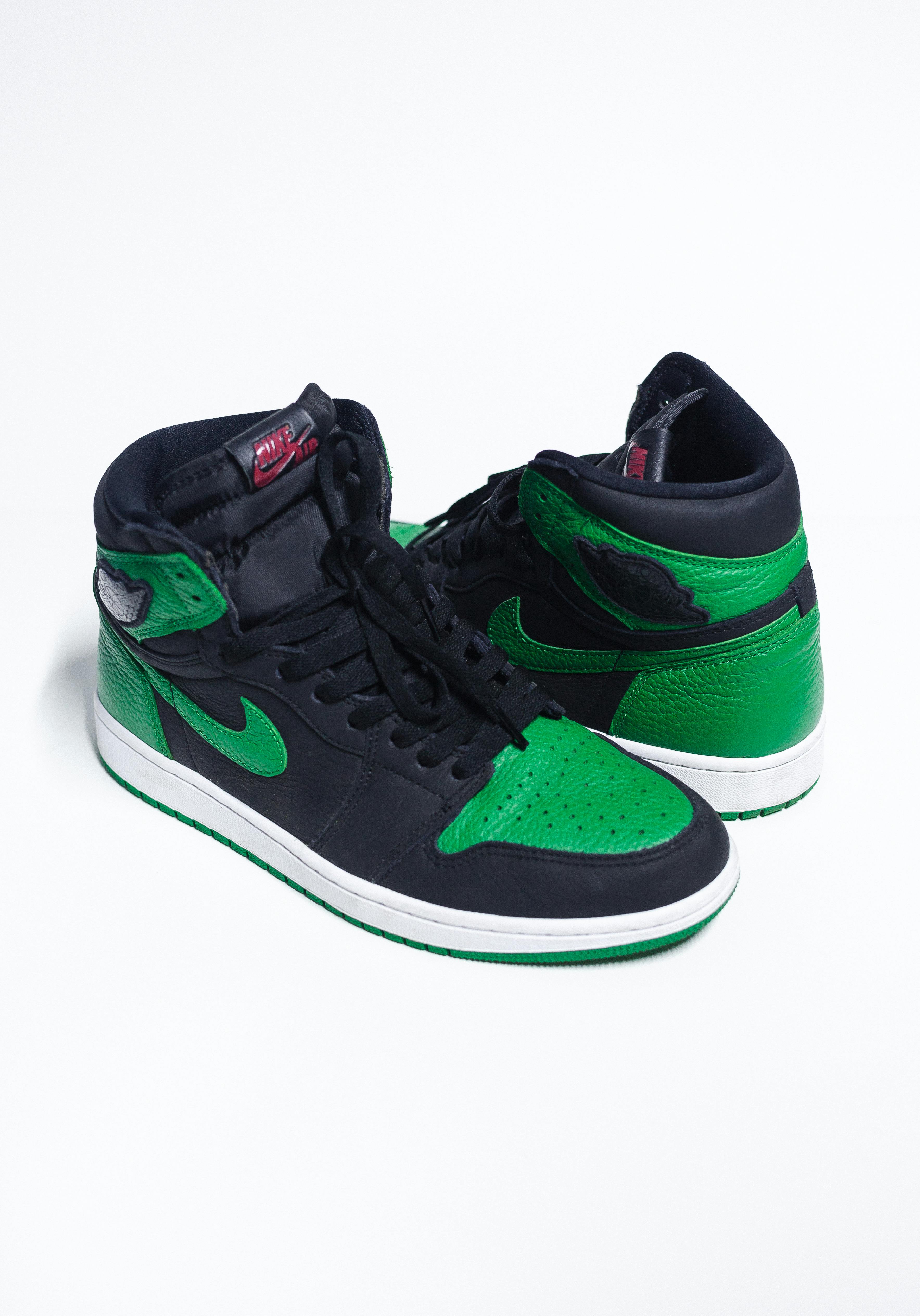
The Air Jordan resale market has ballooned from a fringe hobby into a multi-billion-dollar ecosystem working with the efficiency of a stock exchange. Pairs that cost $170 can command $500, $1,000, or even $10,000 according to shoe, colorway, and supply level. For consumers, this marketplace offers the ability to obtain out-of-stock drops and vintage grails that would otherwise be unobtainable. For resellers, it constitutes a genuine income stream that thousands of individuals have monetized successfully. But navigating this space without expertise is a surefire way to overpaying or being defrauded. Whether you hope to grab a pair under market value or sell your freshest SNKRS W for a profit, knowing the workings of the Air Jordan resale market in 2026 is crucial.
Understanding the Resale Ecosystem
The contemporary sneaker resale market works through a select group of major platforms, each with specific commission structures and buyer demographics. StockX introduced the “Wall Street of sneakers” model, collecting sellers a percentage between 8 and 10 percent according to seller level. GOAT runs a parallel marketplace but adds the ability to sell pre-owned sneakers next to factory-sealed pairs, broadening the buyer pool. eBay re-entered the verified sneaker market with its Authenticity Guarantee feature and presently collects zero seller fees on sneakers over $150, rendering it the most economical platform for sellers in jordan shoes 2026. Physical resale shops like Flight Club take a heftier 15 to 20 percent percentage but provide on-site legit checking and immediate payout. Social media still facilitate considerable direct sales, though without integrated verification the chance of fraud is markedly higher. Learning each platform’s fee structure lets you decide wisely based on whether you prioritize profit, quick sales, or security.
The Dynamics Behind Resale Pricing
Secondary market pricing adheres to patterns dictated by clear supply-and-demand factors. The primary driver is limited availability — exclusive drops under 50,000 pairs consistently earn considerable premiums, while GR releases above 200,000 pairs usually trade at or below retail after launch buzz fades. Collab status enormously inflates worth: a Travis Scott or Off-White joint release can boost 300 to 800 percent to resale compared to a regular release of the same silhouette. OG colorways that Michael Jordan actually wore during games perpetually fetch more than recent reimaginations of the same silhouette. Condition is another key element, with unworn pairs earning a 30 to 50 percent premium over near-new pairs. The most popular men’s sizes (9 through 11) generally carry more inventory on sites, while uncommon sizes commonly earn higher prices due to limited supply. Prices usually hit their highest during November and December holiday buying and decline during calmer the summer period.
| Platform | Seller Commission | Legit Check | Payout Time | Pre-Owned Sales | Recommended For |
|---|---|---|---|---|---|
| StockX | 8–10% | On-site physical | 3–7 business days | No | Market data access |
| GOAT | 9.5% + shipping | In-house physical | 3–5 business days | Yes | Used sneaker sales |
| eBay | 0% (over $150) | Third-party verification | 1–3 business days | Yes | Best seller margins |
| Flight Club | 15–20% | In-person experts | Same-day cash | Yes | Immediate payouts |
| Instagram / Facebook | 0% | None — buyer assumes risk | Same-day | Yes | No-commission P2P |
Smart Buying Strategies
Timing your purchase is the most effective tool for grabbing Air Jordans beneath highest resale prices. Almost every highly anticipated releases adhere to a reliable price arc: values surge straight after drop day as sellers leverage buyer urgency, then slowly fall over two to six weeks as first-wave demand is fulfilled and more pairs enters the market. Waiting 30 to 45 days after drop can cut your costs by 15 to 30 percent compared to launch-day resale, according to past data on StockX. Creating bid notifications on marketplaces like StockX and GOAT enables you to choose your price and be patient until a seller to accept, rather than meeting the current ask which always represents the most bullish seller expectation. Contrasting prices across multiple platforms before pulling the trigger is critical because the same model in the identical size can swing by $20 to $80 between StockX, GOAT, and eBay at any point in time. For aged retro editions not undergoing a present hype wave, prices often reach their floor during June through August when sneaker market trading generally decreases. On top of that, buying in uncommon sizes can occasionally give you an edge because these sizes have less competition competing for the same limited inventory.
Selling for Maximum Profit
Smart reselling commences well before you post a pair — it begins with copping the proper product through retail channels at the lowest possible cost basis. Registering for every open draw for highly anticipated drops through Nike SNKRS, Foot Locker, JD Sports, and specialty retailers boosts your likelihood of securing inventory at retail, which is the bedrock of resale profit. Listing speed matters significantly: listing your pair within the first 24 to 48 hours after release, when urgency is at its peak and inventory on platforms is still restricted, consistently yields the maximum sale price for that drop cycle. Document your merchandise thoroughly and maintain OG packaging in pristine condition, because buyers on legit platforms pay demonstrably more for pairs that arrive in pristine boxes with all included extras included. Watch comparable completed sales — not just what’s listed — to determine realistic sale prices, since inflated asks go unnoticed while the market leaves you behind. Evaluate which platform you use carefully: eBay’s no-fee policy on sneakers above $150 means you retain approximately 10 percent more than on StockX, resulting in $30 to $50 additional profit per pair.
Authentication and Avoiding Counterfeits
Bootleg Air Jordans have gotten frighteningly sophisticated in 2026, with some counterfeits virtually identical from real pairs without expert inspection. The safest approach for purchasers is purchasing strictly through services with in-person legit checking — StockX, GOAT, and eBay’s Authenticity Guarantee each utilize expert verifiers who manually examine every pair before it arrives at the buyer. For direct purchases through Instagram or local meetups, acquire a UV blacklight that reveals hidden quality-control stamps fakers rarely reproduce, and a jeweler’s loupe for examining sewing details and surface textures at close range. Telltale signs include suspiciously low prices, sellers who refuse to provide detailed photographs, and ambiguous “authenticity guaranteed” language without specifying a verification process. Services like CheckCheck and Legit Check offer smartphone-based legit checking where you upload images and get a expert verdict for $3 to $10 per check. For vendors, ensuring that your pairs are legit preserves your reputation and avoids pricey chargebacks — platforms will punish or remove sellers who dispatch inauthentic items, even unknowingly.
Market Outlook for 2026 and Beyond
The Air Jordan resale market in 2026 occupies an fascinating inflection point driven by opposing trends. Jordan Brand has increased supply on many retro releases, softening premiums on GR releases and moving mean markups down from pandemic peaks. However, ultra-limited partnerships and OG editions continue to command impressive markups, demonstrating the market is bifurcating between accessible products and highly restricted merchandise. According to research from Cowen & Company, the international sneaker resale market is expected to reach $30 billion by 2030, with Air Jordans continuing as the single most traded name. For individual market participants, this growth means more liquidity, enhanced pricing transparency, and heightened competition — elements that favor expertise and patience over emotion. Whether you approach the market as a buyer chasing coveted pairs or a reseller growing an enterprise, the essentials remain: purchase what you know, choose your selling window carefully, authenticate everything, and treat the resale market with the discipline of any serious financial endeavor.