Alcohol and Sleep: 96% of Alcoholics Have Sleep Issues Like Insomnia
- asfaranjum19@gmail.com
- March 11, 2022
- Sober living
- 0 Comments
However, the problem with alcohol comes later in the night when alcohol has a number of negative effects. Alcohol will undoubtedly help to send you off to sleep as it actually works on the same receptors in the brain that are targeted by some sleeping tablets. Our podcasts are for informational purposes only and should not be relied upon as medical advice. They are not designed to replace a physician’s medical assessment and medical judgment.
WE TREAT YOU LIKE A PERSON. WE TREAT ADDICTION LIKE A DISEASE.
Alcohol has sedative properties that may help with sleep onset, allowing you to fall asleep faster. However, people who drink alcohol before bed often experience disruptions later in their sleep cycle. Generally, even healthy alcohol consumption can lead to poor sleep quality. To minimize the risk of drug addiction insomnia and sleep disruptions from alcohol, aim to finish your last alcoholic beverage at least three to four hours before you plan to go to bed. Allowing this time between your last drink and sleep will give your body more time to metabolize the alcohol. While you may still experience effects of alcohol on your sleep, this buffer time may improve their severity.
How does alcohol affect sleep apnea?
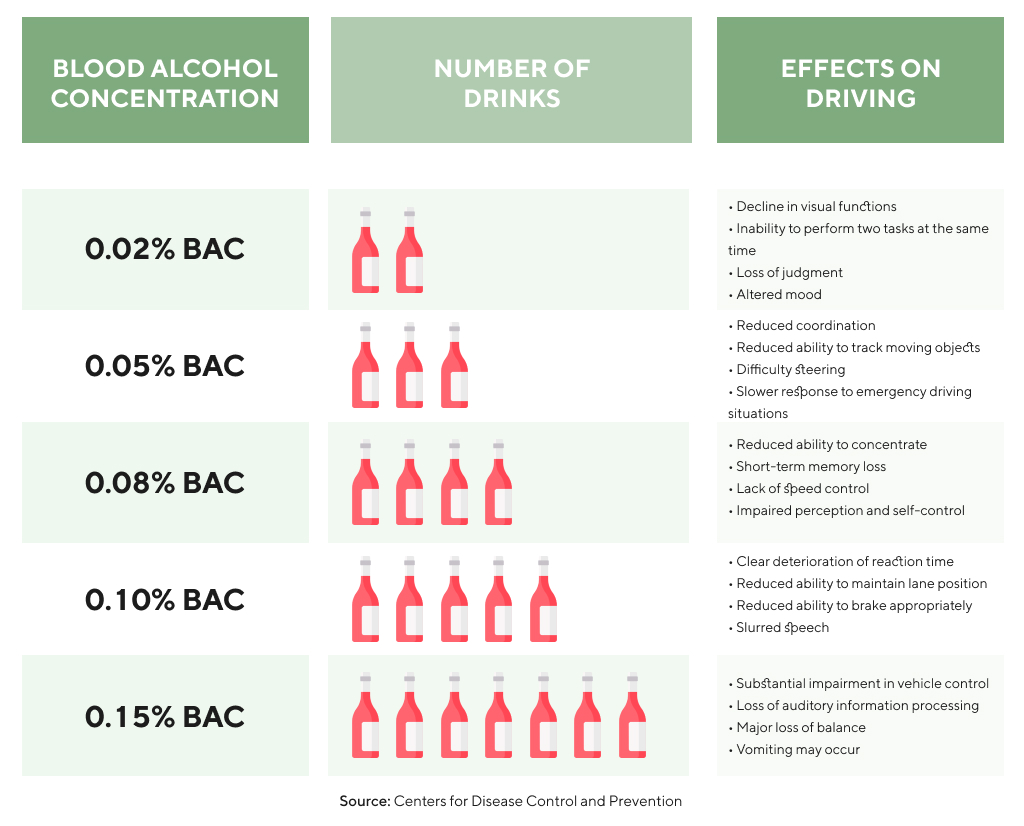
Hearing others’ stories nurtures hope and resilience, while offering practical advice on overcoming sleep challenges. The collective wisdom of support groups can be the key to conquering insomnia. Limiting caffeine and other stimulants in the evening can contribute to a more restful night’s sleep. There are symptoms to be on the lookout for to realise you are suffering from alcohol insomnia.
- In other words, insomniacs, who rely on alcohol to sleep, may develop a tolerance to it, requiring more of it to reap the sedative effects.
- It’s been deemed plausible (although not yet fully confirmed) that alcohol use may cause the suppression of REM sleep in the short term through its effects on GABA.
- Insomnia is one of the most common sleep disorders affecting millions of people around the world.
- Alcohol may help you sleep initially, but eventually, you will need more of it to get the same quality of sleep.
How does alcohol affect people with insomnia?
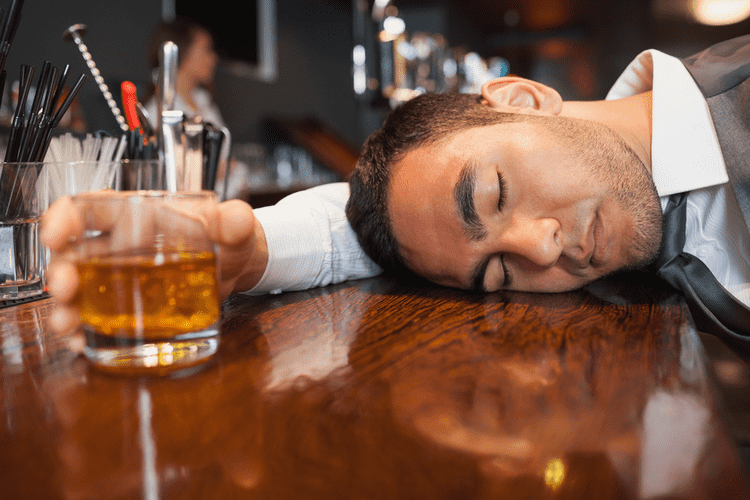
Sleep apnea is a sleep disorder where breathing starts and stops throughout the night, often resulting in snoring and reduced quality of sleep. Alcohol can relax your upper airway muscles, exacerbating sleep apnea symptoms. Research shows that excessive alcohol use can increase the risk of sleep apnea by 25%.² Alcohol can also trigger sleep apnea for someone who previously didn’t experience it. Recovery from alcohol use disorders opens the door to many positive changes, including the restoration of healthy, natural sleep patterns.
Build a Peaceful Bedroom
This results in difficulty falling asleep and staying asleep due to the predominantly excited brain state experienced by users who quit alcohol. Of those diagnosed with AUD, between 36% to 72% report difficulty falling or staying does alcohol cause insomnia asleep (i.e., insomnia). Even more concerningly, alcohol’s effect on sleep can persist for weeks to months after the last drink.
- Allowing this time between your last drink and sleep will give your body more time to metabolize the alcohol.
- They want to avoid sleep disturbances and other problems, which leads them to reach for a drink.
- Using alcohol as a sleep aid may result in you believing the only way you can get to sleep is by drinking.
- We recognize that sleep problems during withdrawal are often interconnected with other physical and mental health issues.
- Our individualized treatment approach and proximity to many locations make BrightView a unique addiction treatment option.
This means that someone self-medicating spirals deeper into their dependency, turning it into a full-blown addiction faster. At BrightView, we understand how challenging it is to deal with withdrawal symptoms such as insomnia. Our outpatient and intensive outpatient programs provide medication assisted treatment and dual diagnosis services.
Circadian Rhythm Fasting
When you sleep, your brain progresses through different stages and depths of sleeping. One of the most important stages of sleep is rapid-eye movement (REM) sleep. Alcohol suppresses REM sleep, making you feel less rested even if you get a full night’s sleep. Alcohol affects sleep in many ways, impacting the body’s ability to get deep sleep and disrupting the process that helps maintain normal sleep. While alcohol might help you get to sleep more easily, it ultimately keeps you from getting deep, restorative sleep, making you feel more tired instead of more rested.